Over the past few years as a classroom teacher, reading specialist, and friend of several parents with young children, I’ve been asked the question over and over again – how do you teach a child to read?
As a Kindergarten teacher, I taught my students to read by building their phonemic awareness skills: blending, segmenting, isolating sounds, etc…, teaching phonics every day – letter names and sounds and how to blend the sounds together to decode words, and I also had them memorize high-frequency words that were spelled irregularly. These three things helped many of my students to learn to read fluently by the end of Kindergarten, but I didn’t give much thought to how their reading instruction would continue once they left my classroom.
After a few years in Kindergarten, I moved to 5th grade and then 3rd grade, and always had students who struggled with reading but phonics was no longer a focus. I tried Leveled Literacy Intervention and Guided Reading groups with them but for some students those methods just didn’t work.
While I was teaching 3rd grade, I decided to reach back into my Kindergarten resources and test my struggling readers on phonics skills to see if that might be the root of the problem. I found that several of them had not mastered important phonics features that they needed in order to decode phonetically spelled words, so I started focusing my intervention on those and saw a huge difference!
A few years later, I became a Reading Specialist and my county (and most of America, I later found out) decided to get rid of our balanced literacy approach and return to teaching phonics whole group in grades K-3. We transitioned to using DIBELS to measure reading abilities and the county purchased new intervention resources that focused on teaching one phonics feature at a time. The latest research, known as the Science of Reading, is what inspired this big change.
The Science of Reading is a body of research that explains how the brain learns to read and what the brain does during the process of reading. From what I have learned over the years, reading is broken down into five components:
- Phonological/Phonemic Awareness: the understanding that spoken language can be broken down into parts and the ability to manipulate those parts at the word, syllable, onset-rime, and phoneme level. The ability to notice, think about, and work with the individual sounds in spoken words.
- Phonics: the relationship between graphemes (letters) and the phonemes (sounds) they represent. This leads to decoding (the ability to look at a word, produce the sounds that the graphemes represent, and blend the sounds in order to read the word) and encoding (spelling – the ability to hear a word, segment the sounds, and write the graphemes that represent those sounds).
- Fluency: the ability to read out loud accurately, at an appropriate rate, and with prosody (proper phrasing, intonation, and expression). This is greatly helped by strong decoding ability and the memorization of high-frequency words.
- Vocabulary: Knowledge about the meanings, uses, and pronunciation of words.
- Comprehension: The ability to understand what is read.
SO, now that you know everything there is to know about the process of learning to read, you are probably wondering HOW to teach children all of these things. If you are looking for an organized, systematic program that is easy to use and that will ensure that students are building and strengthening their abilities in those five components of reading in every lesson, you have come to the right place!
Literacy Lessons: Level 1
Our district has provided us with several different reading intervention resources over the past few years and, while each one has contained elements that I have found helpful, I’ve always found certain things to be missing. I also found many programs to be difficult to manage when my schedule required me to work with multiple reading groups in different locations throughout the building every day – too many copies to make, to many different links to access all of the materials, too many materials to carry around the building, etc…
That is why I decided to start creating my own resource for teaching foundational literacy skills to new readers and to students in need of intervention that does not require a lot of prep on the teacher’s part but provides students with high-quality, explicit, systematic instruction in the five components of reading.
The Literacy Lessons that I created are based on a great deal of research that I have done into the Science of Reading as well as years of hands-on practice working with students of all ages. These lessons are designed to provide your students with systematic practice of phonemic awareness skills (blending, segmenting, isolating sounds, and manipulating phonemes), explicit teaching of new graphemes, letter formation, and letter-sound correspondences, multi-sensory instruction to help them solidify new concepts through decoding and encoding, and an introduction to vocabulary and grammar. The lessons also contain a spiral review pattern to ensure retention of new concepts.
The lessons are organized by grapheme/phonics feature in a similar order to Orton Gillingham’s curriculum so that they can be used alongside IMSE’s Decodable Readers, however there are several lessons that I felt were missing in OG, so those have been added in (e.g. Nasal A, c vs. k spelling rule) and for some features I changed the order.
In Level 1 there are 32 lessons that cover the following features:
- 21 Consonants
- 6 Short Vowels (a, e, i, o, u, and nasal a)
- Digraphs: ch, sh, th, wh, and ck
- Spelling Rules: c/k/ck and FLSZ Doubling
Each Lesson contains the following elements:
Spiral Review: Students are presented with flashcards of all graphemes previously taught and encouraged to produce both the letter/grapheme name and the sound that it represents. This is done on a daily basis to solidify letter-sound correspondence knowledge.
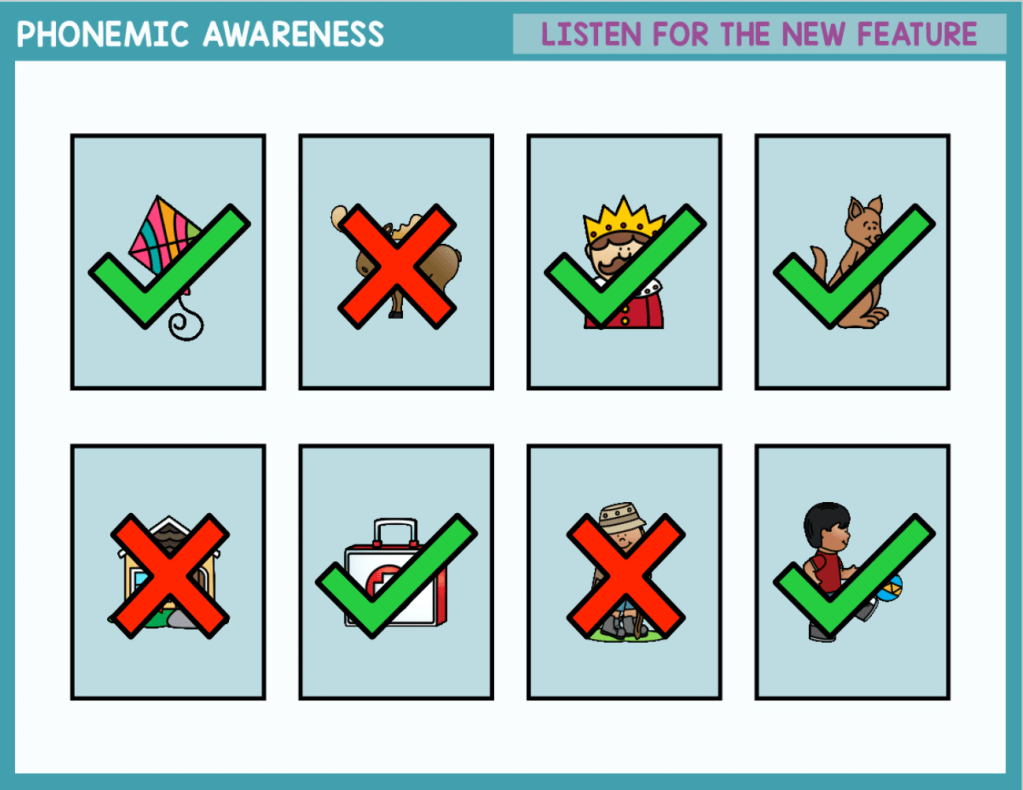
Listen for the Feature: The teacher states the goal of the lesson (“Today we are going to learn to read and write words that contain the sound…”) and then asks students to listen to a set of words and determine whether or not they contain the new sound. As the teacher progresses through the slide, the answers are confirmed with a check or an X.
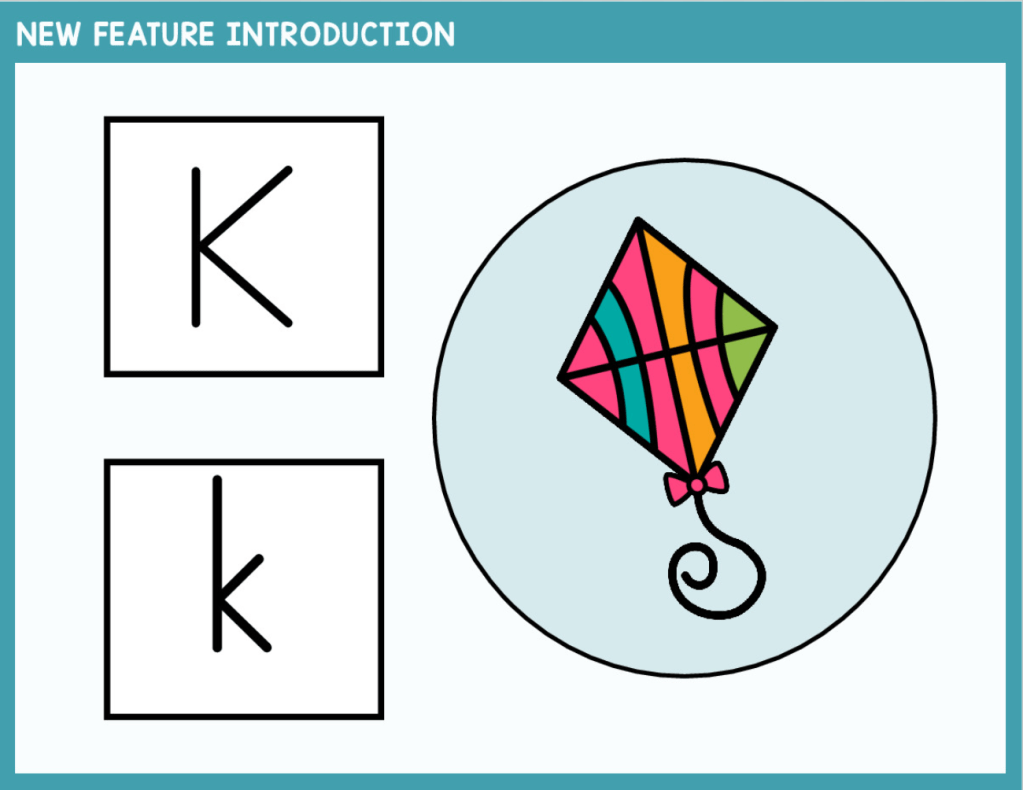
Explicit Teaching of the New Feature: The teacher explains that the sound that students just listened for can be produced by the letter/grapheme that the lesson is focused on. The teacher also provides a key word with the sound to help students remember the sound.
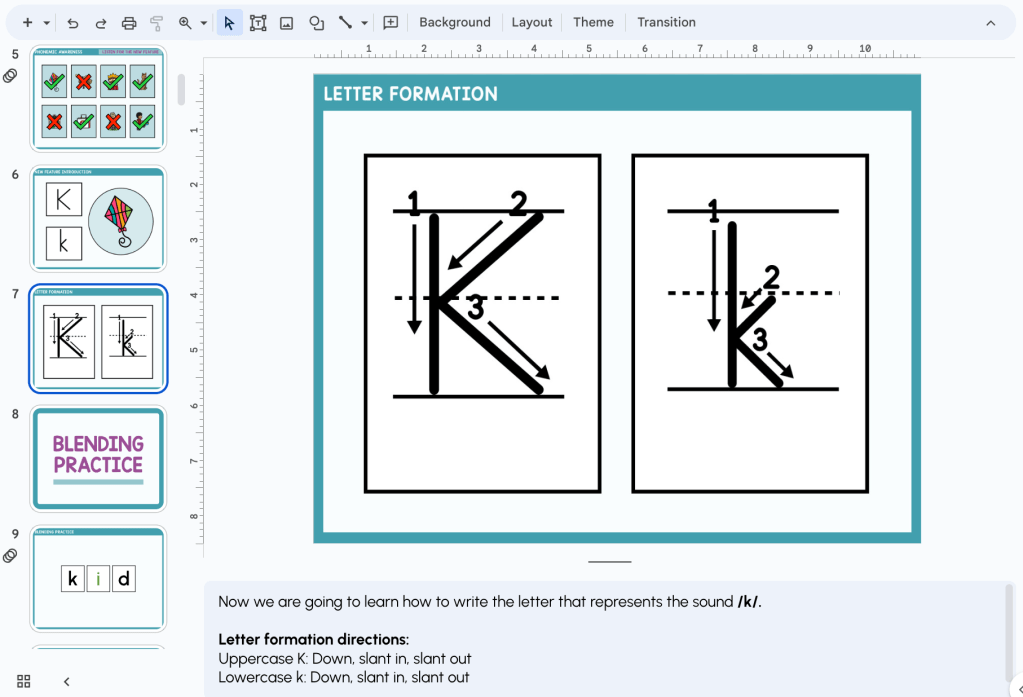
Letter Formation: The teacher explicitly models the uppercase and lowercase formation of the letter by tracing with a finger and explaining the steps. Students then air write or trace with their fingers before practicing letter formation on paper while producing the name and sound. (The verbal directions for teaching letter formation are from Scholastic, but can easily be replaced in the Speaker Notes to match any handwriting curriculum).
I also created a set of worksheets for letter formation practice and sound identification like the one pictured below.

Click here If you would like to check out my Literacy Lessons: Level 1 Printables that are aligned with these lessons.
Word Building: Students are presented with a picture of a phonetically spelled word and given the word that it represents. They are then prompted to segment and count the sounds in the word before determining which graphemes should be used to represent the sounds and spell the word.
Blending Practice: Students are presented with one grapheme tile at a time and prompted to produce the sound represented until all grapheme tiles are present and students can blend the sounds to read real and nonsense words.
Word Sort: Students work on phonemic awareness and phonics skills in this activity where they are given a word and asked to isolate the beginning, middle, or ending sound and determine which letter provided represents that sound.
Dictated Spelling: The teacher reads a set of words containing the new feature and encourages students to segment the sounds and spell the word using the corresponding graphemes. Students can complete this part of the lesson on a whiteboard or blank sheet of paper to minimize teacher prep.
Phoneme Chaining: Students build phonemic awareness skills by manipulating phonemes. The teacher presents students with a word and asks them to change one sound in the word in order to create a new word. This process is repeated until students reach the end of the chain.
Word-Meaning Connection: When applicable, students are explicitly taught word meanings, singular vs. plural forms of words, past and present tenses of words, and words with multiple-meanings in order to build vocabulary and grammar skills.

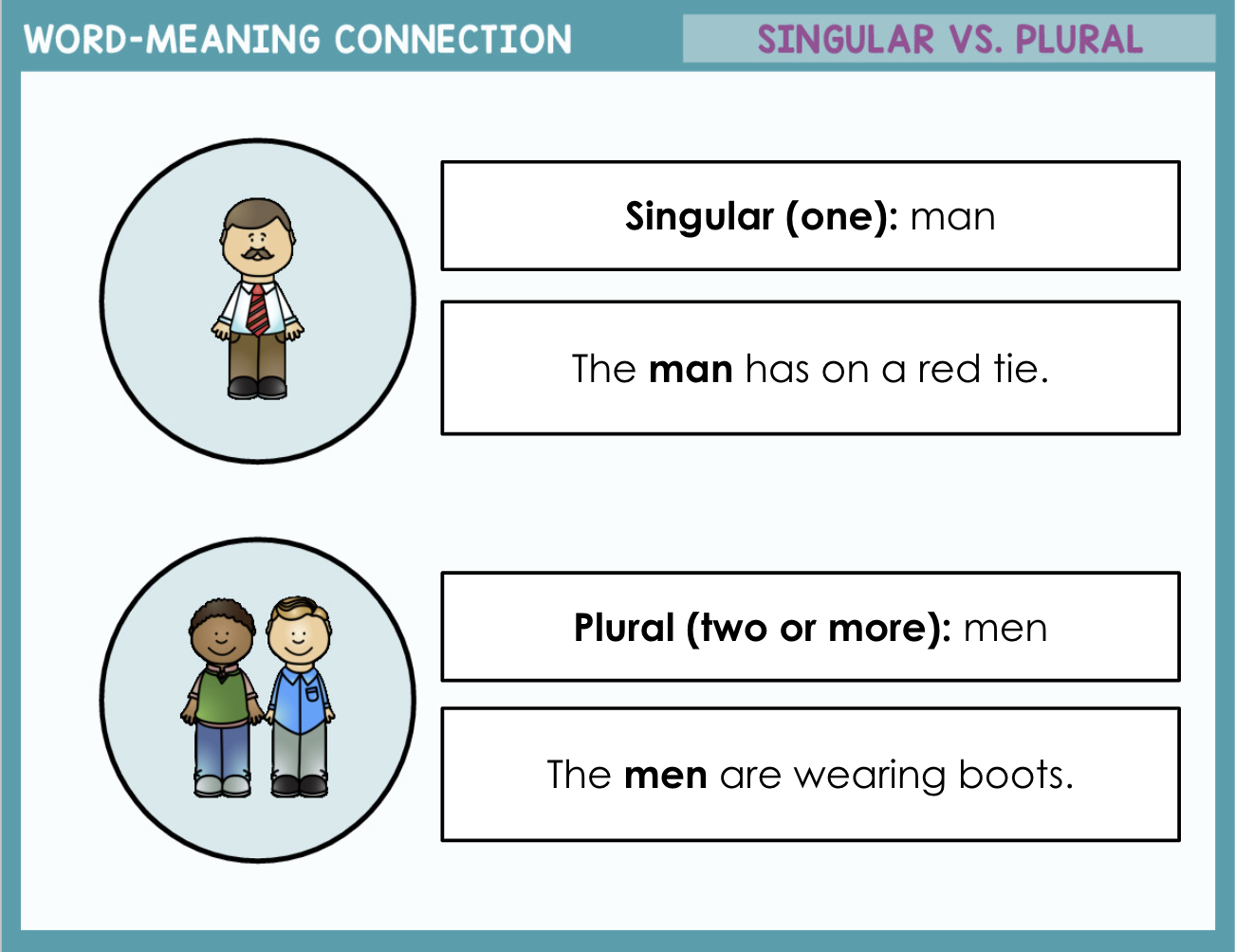

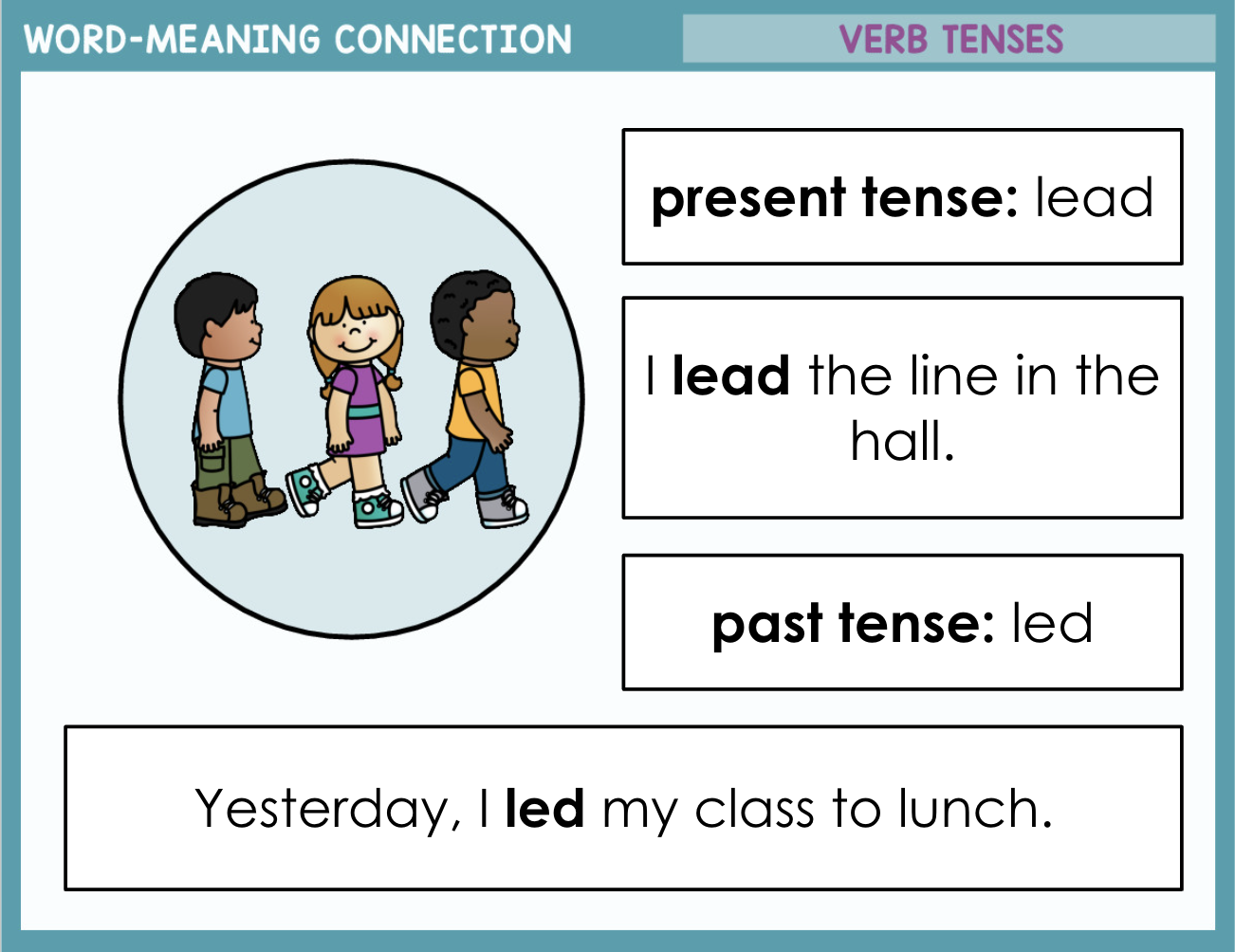
Most Concepts are taught in 4 Lessons:
Lesson 1: Spiral Review, Listen for the Feature, Explicit Teaching of the New Feature (and Letter Formation when applicable), Word Building, Blending Practice, and Dictated Spelling.
Lesson 2: Spiral Review, Word Sort, Blending Practice, Dictated Spelling.
Lesson 3: Spiral review, Blending Practice, Dictated Spelling. (A blank slide is included for teachers to add in High-Frequency Words that they want to teach on this day).
Lesson 4: Spiral Review, Phoneme Chaining, Blending Practice, Dictated Spelling. (A blank slide is included for teachers to add in High-Frequency Words that they want to review on this day).
*earlier concepts are taught in 2 lessons (C-D) or 3 lessons (G-H) because there are a limited number of CVC words that can be decoded/spelled until more features have been taught.
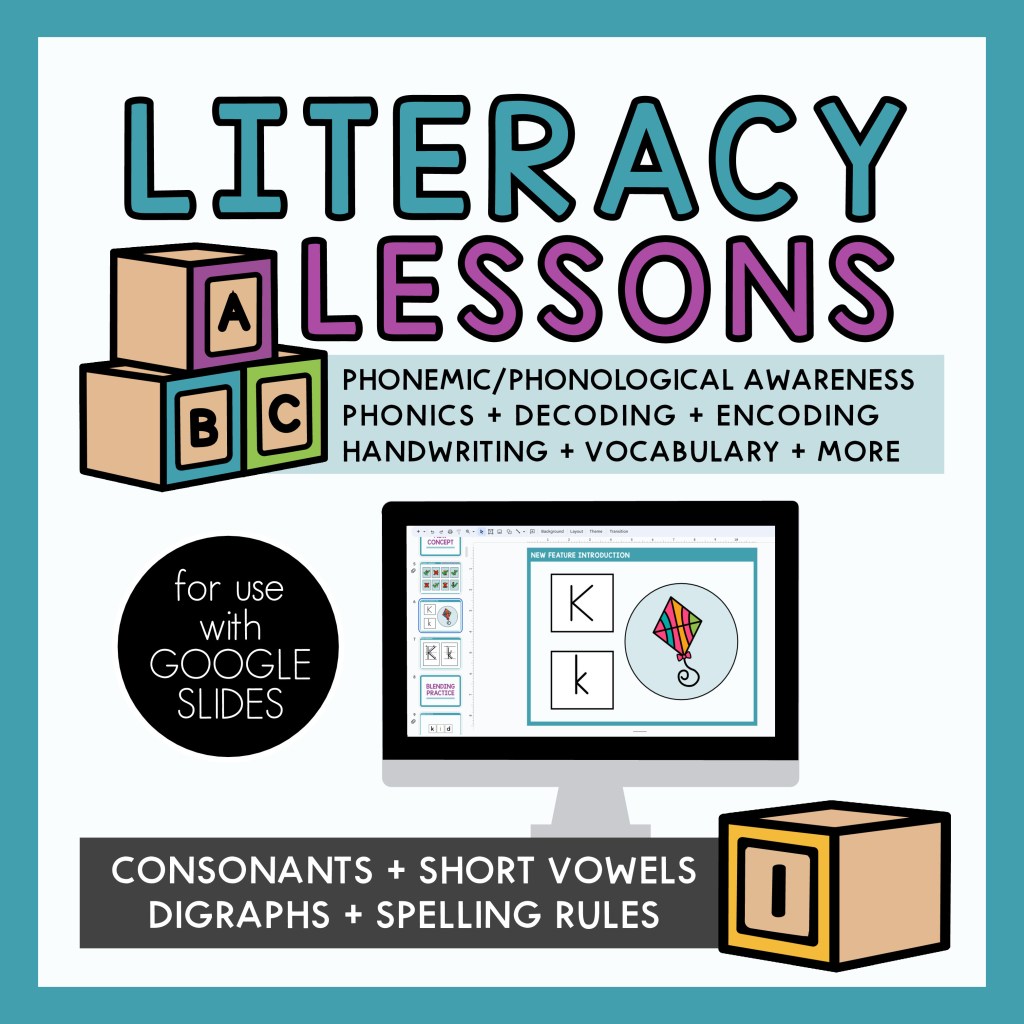
You can purchase these Level 1 Literacy Lessons individually, or as a bundle from my TPT Store. If you would like to try out one of the lessons before purchasing the whole Level 1 bundle, I added the lesson on the letter Kk as a free resource in my store (click the image below)!
 Teaching To The Test-Taker